

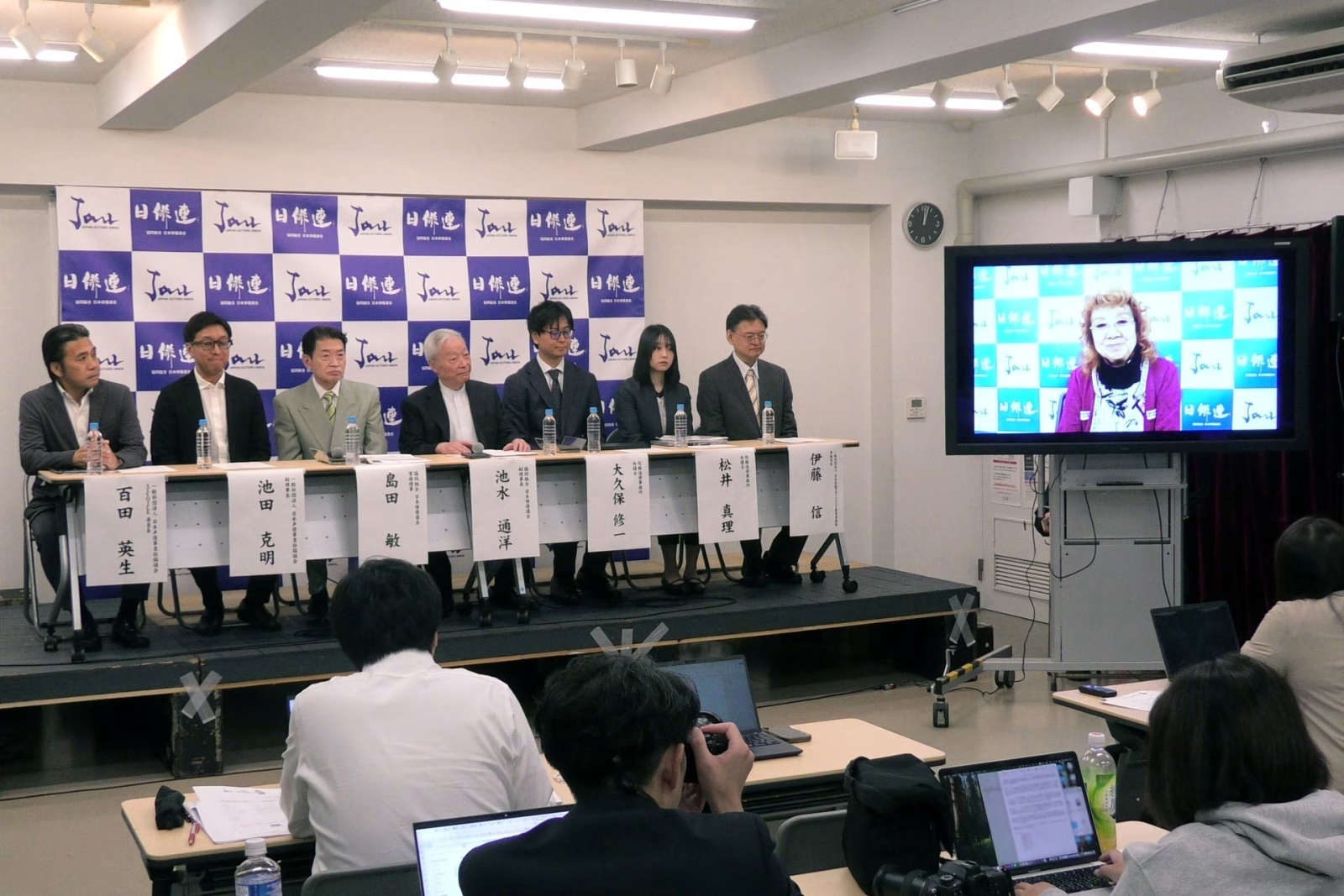
Japan's entertainment industry is taking a more formal stance on the use of artificial intelligence in voice work. On October 16, 2026, the Japan Actors Union presented the first version of its new guidelines governing generative AI in vocal performances. The 21-page document establishes a framework covering consent, compensation, data management, unauthorized use and the legal protection of performers. Its scope is particularly broad, defining vocal audio as recordings from actors and voice actors, including private recordings, while also addressing technologies such as voice synthesis, machine learning, deep learning and AI-based modeling.
At the heart of the new framework is the principle that performers must retain control over how their voices are used. The guidelines call for prior notification, explicit written consent, clear disclosure by businesses, restrictions on unauthorized uses and the ability for performers to request credit or removal. They also address compensation for AI training and commercial exploitation, data oversight, auditing rights and potential legal action when unauthorized AI-generated voice material is distributed. Specific provisions are also included for animation dubbing, Japanese-language productions, multilingual localization and overseas distribution.
The announcement was accompanied by comments from several major figures in Japanese voice acting. Dragon Ball veterans Masako Nozawa, known as the voice of Son Goku, and Bin Shimada, who voices Broly, both discussed the growing impact of AI-generated voice cloning. Nozawa acknowledged the technological possibilities of AI but expressed concern about voices being used without permission. Shimada was more critical after hearing an AI-generated version of Ado's song "Usseewa" performed using an imitation of his Broly voice, stressing that distributing such material publicly for attention or profit without the actor's knowledge crosses an important ethical line.
The debate has been building across Japan's voice acting industry for several years. Yūki Kaji responded to similar concerns by developing the official Soyogi Fractal voice synthesis project in 2024, while other performers later formed the No More Unauthorized Generative AI initiative. Kenjirō Tsuda also pursued legal action over alleged unauthorized AI imitation of his voice on TikTok. Although that case was later dismissed after the related videos were removed, Japanese legal authorities have increasingly recognized performers' voices as part of their protected publicity rights. The JAU's new guidelines now represent one of the clearest industry attempts yet to establish practical boundaries between creative AI technology and the rights of human performers.



Comments
Sign in with your Google account to leave a comment.