

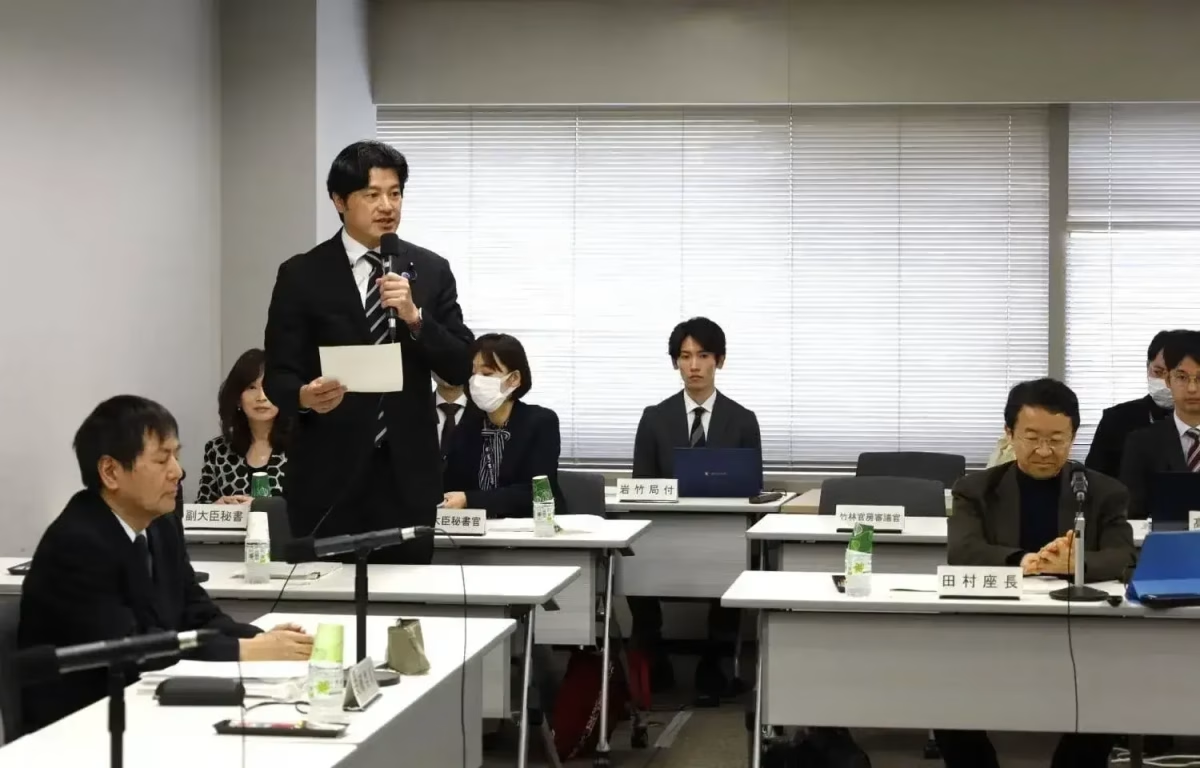
An expert panel attached to Japan’s Ministry of Justice held its very first meeting on Friday, April 24, to examine how voices can be better protected against unauthorized uses through generative AI. The issue directly concerns voice actors, performers and creators whose voices can be imitated, cloned or reused without consent, with potentially significant economic and reputational impacts.
At the opening, State Minister of Justice Hidehiro Mitani highlighted the scale of the losses linked to such misuse, while pointing to a practical problem: leaving victims responsible for defining the exact scope of protections before the courts would be too burdensome. He also recalled that the speed at which AI technologies are evolving makes this issue urgent and complex.
No concrete measures were adopted during this first session. However, the panel established that “voice rights” belong to the same legal family as “portrait rights” and “publicity rights” under Japanese law. Future meetings will have to clarify how existing laws can address violations related to the unauthorized use of voices.
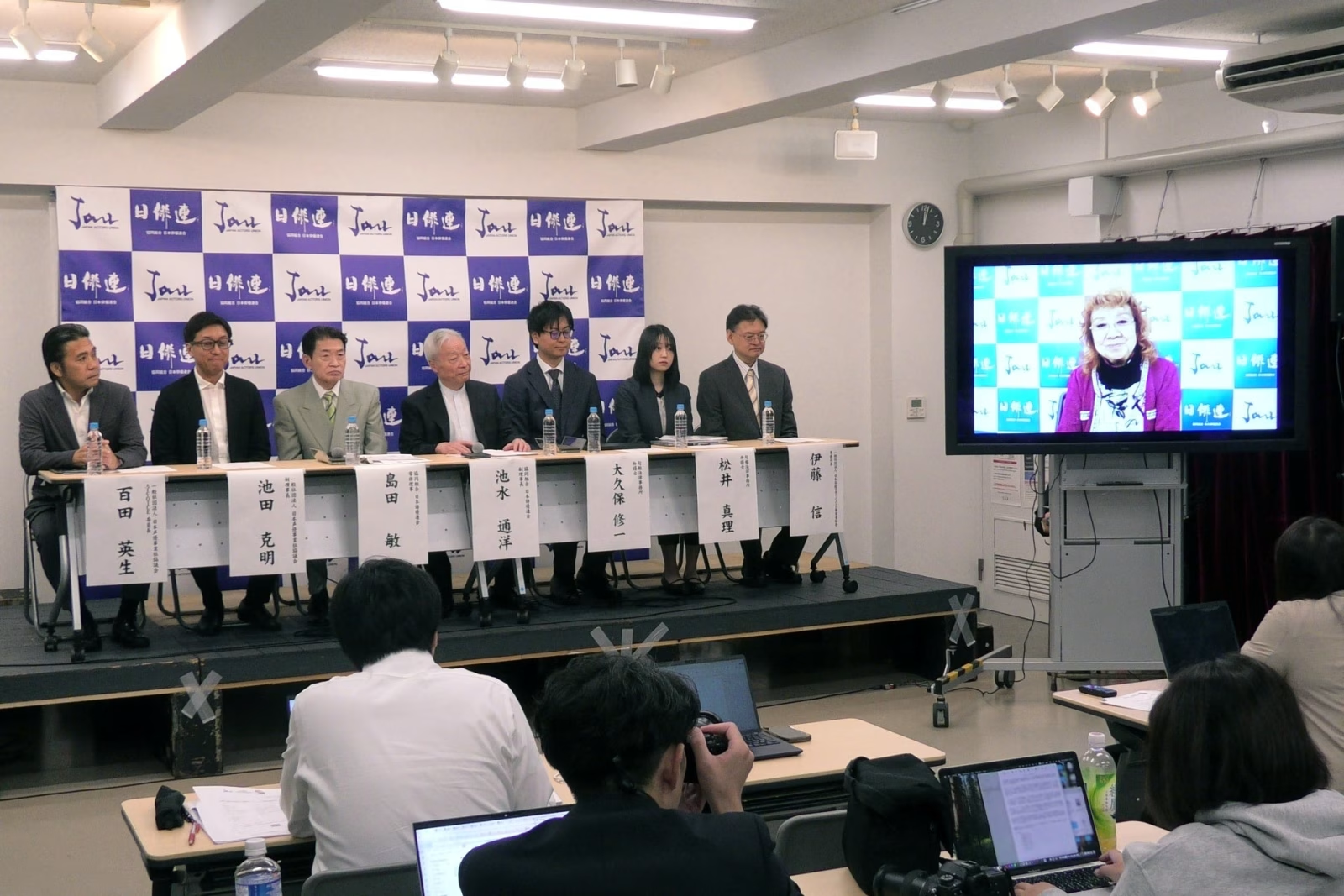
Meanwhile, the industry’s mobilization continues. In late October 2024, several voice actors announced the creation of the No More Mudan Seisei AI (“No More Unauthorized Generative AI”) collective to protect themselves against these practices. Voice actor Yūki Kaji, for his part, launched his own voice-synthesis program, Soyogi Fractal, in June 2024, citing concerns surrounding rights-related issues. He subsequently left the VIMS agency on April 8, before founding his own company dedicated to Soyogi Fractal the following day.



Comments
One quick step before publishing
Your comment is ready! Sign in with Google to publish it securely. What you wrote will stay right here.
Your comment will be sent for moderation after you sign in.