


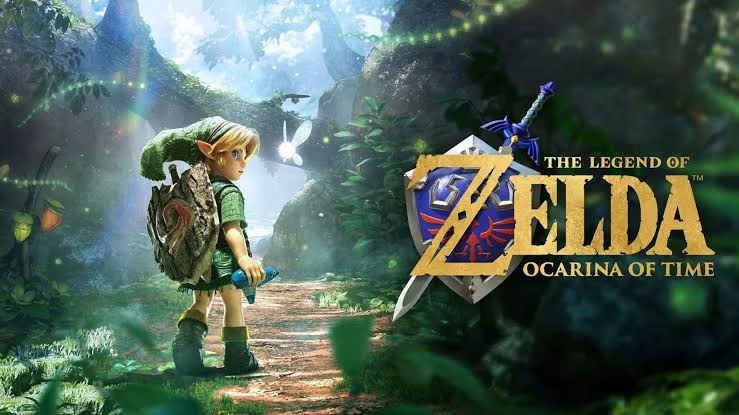
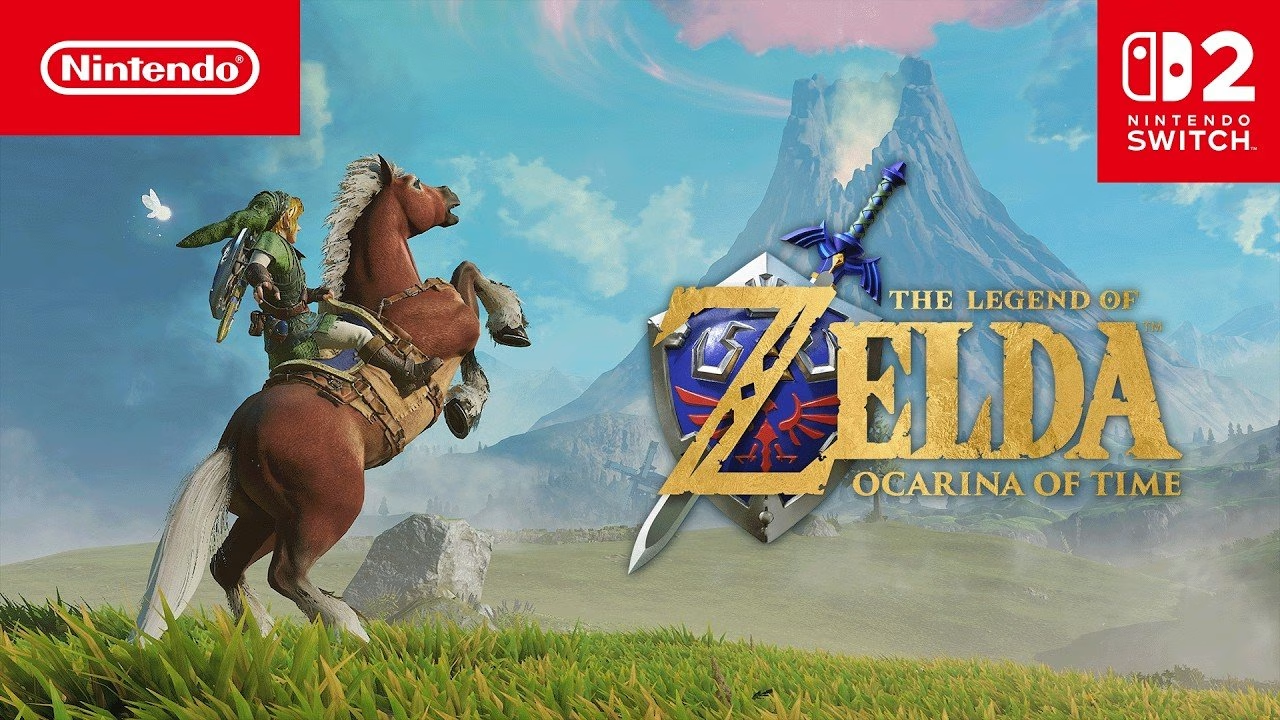
Nintendo has scored another major commercial victory with The Legend of Zelda: Ocarina of Time, as the highly anticipated remake has surpassed 5.2 million copies sold worldwide in just four days. According to figures released by the Japanese publisher, the game has set a new sales benchmark for the Nintendo Switch 2. Combining a complete visual overhaul with modernized gameplay elements, the remake brings one of the most influential Nintendo 64 adventures back into the spotlight while demonstrating the enduring popularity of the Zelda franchise.
Beyond its impressive launch, the game's success has sparked discussions surrounding its production costs. Estimates circulating online suggest that the project required a budget of $40 million to $50 million, approximately 200 developers and three years of production. While series producer Eiji Aonuma has confirmed the three-year development period, the financial estimates and workforce figures remain unverified. The game's credits actually feature more than 1,000 contributors, suggesting that the scale of production was considerably larger than some initial reports indicate.
The project also appears to have benefited from a substantial network of external partners, with around 30 companies acknowledged in its credits, including Monolith Soft and Bandai Namco. Both companies have extensive experience supporting major Japanese productions, particularly in technical development and visual asset creation. Considering these contributions, Forbes contributor Ollie Barder estimates that the overall budget could range between $100 million and $150 million. However, Nintendo has not officially disclosed the game's production expenses.
Regardless of its final development costs, Ocarina of Time's exceptional launch suggests that Nintendo could already be looking at a highly profitable release. The company also benefits from its position as both developer and platform owner, avoiding the standard platform commission typically paid by third-party publishers. More importantly for fans, the remake preserves the identity of the original adventure while introducing significant improvements in presentation and gameplay. Its commercial performance highlights Nintendo's ability to transform its classic catalogue into major contemporary releases without sacrificing what made those games memorable in the first place.

Comments
One quick step before publishing
Your comment is ready! Sign in with Google to publish it securely. What you wrote will stay right here.
Your comment will be sent for moderation after you sign in.