


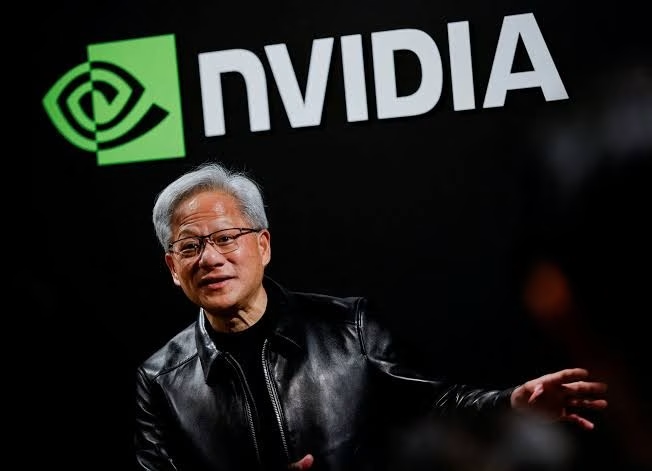
Nvidia is entering a new chapter following the departure of its co-founder and longtime CEO, Jensen Huang. The technology giant confirmed on November 12, 2026, that Huang had resigned with immediate effect, bringing an extraordinary era of leadership to an abrupt end. The decision follows a series of reports concerning his private relationships, including an alleged affair with a businesswoman suspected of having connections to Chinese intelligence. Nvidia's board has appointed Chief Financial Officer Colette Kress as interim CEO while launching a search for a permanent successor. Harvey Jones, a former CEO of Synopsys, has also been named the company's first-ever chairman, marking a major transformation in Nvidia's corporate governance.
The controversy extends beyond Huang's personal life and has raised significant concerns surrounding the security of advanced American technology. Media reports have linked the former CEO to Alice Huang, a business executive who previously held a senior position at Singapore-based Megaspeed, a company that purchased Nvidia's advanced chips. Megaspeed and associated businesses are facing a US criminal investigation over allegations of semiconductor smuggling to China. Separate reports have also alleged that Huang maintained an extramarital relationship with an Nvidia executive who reported directly to him. Nvidia launched an independent investigation on November 8 to determine whether its founder had been targeted by a foreign intelligence operation. Huang subsequently acknowledged being unfaithful to his wife, apologized to his family and employees, and pledged to cooperate with the investigation. However, the espionage allegations remain unproven, and Chinese authorities have rejected the accusations.
The leadership crisis has already sent shockwaves through the financial markets. Nvidia shares fell by more than 11% following the announcement of Huang's resignation, adding to substantial losses recorded earlier in the week. The company had already seen nearly $500 billion in market value disappear before the latest developments. Having grown from a graphics hardware manufacturer into a global powerhouse valued at approximately $4 trillion at its peak, Nvidia now occupies a central position in the artificial intelligence revolution. Its GPUs power everything from cutting-edge gaming experiences to advanced AI models, supercomputers and massive data centers. Huang's departure therefore represents a significant moment not only for Nvidia's investors, but also for the broader gaming and technology industries.
Colette Kress, who has overseen Nvidia's finances since 2013 and previously worked at Microsoft and Cisco, will now guide the company through this unprecedented transition. Despite the controversy, Huang had received support from prominent figures including US President Donald Trump, entrepreneur Elon Musk and venture capitalist Shaun Maguire. Nevertheless, Nvidia's board ultimately opted for a leadership change after more than three decades under its founder. While the company has expressed gratitude for Huang's immense contributions, attention is now turning toward the future of its GeForce gaming ecosystem, AI infrastructure business and global semiconductor strategy as Nvidia prepares for a new era without the man who helped redefine modern computing.




Comments
One quick step before publishing
Your comment is ready! Sign in with Google to publish it securely. What you wrote will stay right here.
Your comment will be sent for moderation after you sign in.