

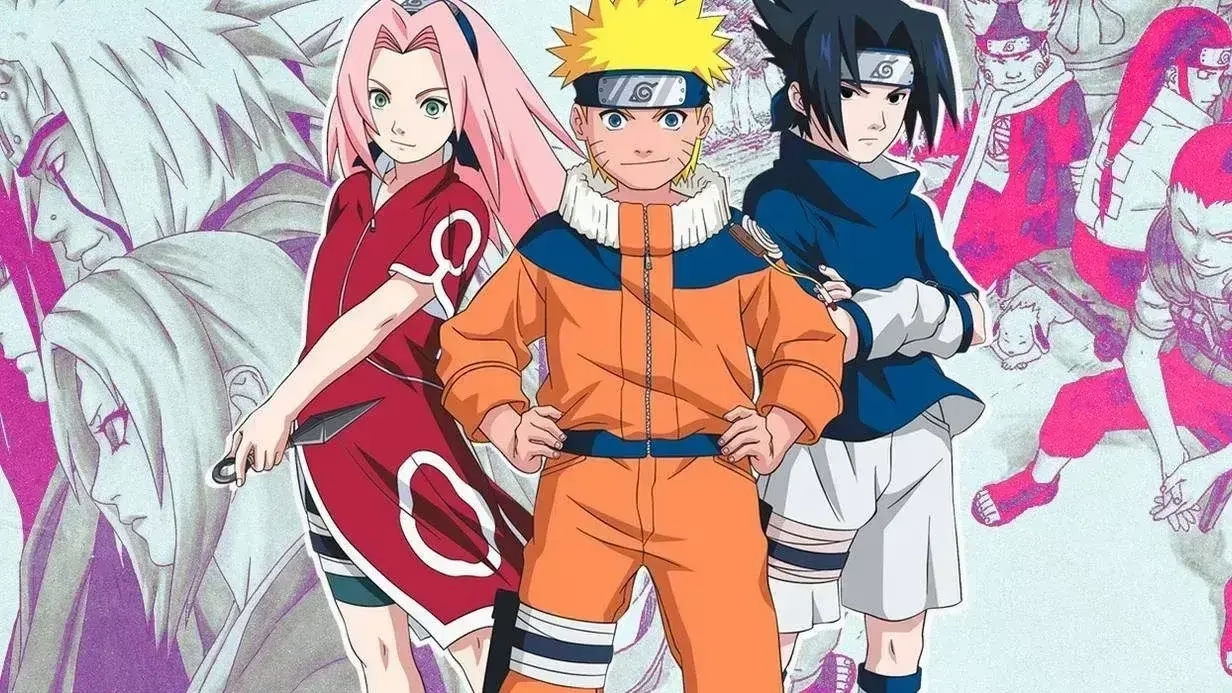
The end of 2025 confirms a quiet but massive phenomenon: Naruto has established itself as one of streaming’s heavy hitters, including on platforms where it was not necessarily expected. In Brazil, Pluto TV’s official website ranked the original series fourth among its most-watched programs, while Naruto: Shippuden also made the top 10, landing in 10th place. The same ranking also featured well-established anime titles such as Hunter x Hunter and Yu-Gi-Oh, proving that audiences remain very fond of classics.
The franchise continues to attract viewers in part because its foundation is solid: the Studio Pierrot anime, launched in 2002 based on Masashi Kishimoto’s manga, follows Naruto, a rejected young ninja who carries the fearsome fox demon Kyûbi. The first series left its mark across 220 episodes before Shippuden took over in 2007 and extended the adventure by approximately 500 additional episodes. Years later, the reception remains favorable, with a high public rating on Rotten Tomatoes (an 86% Popcornmeter score).
And Pluto TV is only one piece of the puzzle: on Netflix, Naruto delivered a major performance in 2025. In August, the platform confirmed that the franchise ranked among the most-streamed anime, with the original series alone totaling 40 million views during the first half of the year and surpassing 51 million when Boruto was included. This popularity now extends beyond the screen, although not everything has been met with applause: the announcement of an approximately 1.5-hectare “Naruto — Konoha Land” area at Parc Spirou in France sparked criticism, with some fans regretting that the project will not be launched in Japan. The controversy also serves as a reminder of similar debates surrounding other parks dedicated to cult franchises.



Comments
Sign in with your Google account to leave a comment.