


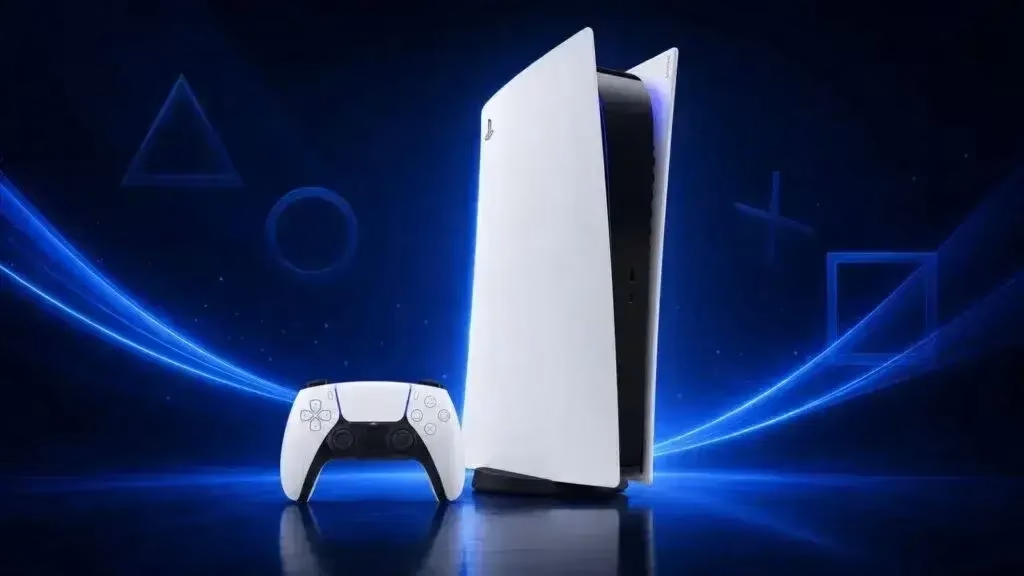
The complete shift of future PlayStation releases to digital could permanently weaken the global used video game market, currently valued at $7.2 billion. This estimate, compiled by research firm Dataintelo from transactions conducted in 2025, covers pre-owned games, consoles, accessories and peripherals. Before this strategic shift, analysts expected the sector to grow to $13.8 billion by 2034, driven in particular by console-related products, which already account for 42.3% of generated revenue. However, the gradual disappearance of new PlayStation discs could call these growth projections into question.
Geographically, North America currently dominates this market with a 36.8% share, equivalent to approximately $2.65 billion. Europe ranks second with 28.3%, ahead of the Asia-Pacific region, which accounts for 24.6% of global transactions. This activity is driven by several structural factors, including the search for more affordable prices, growing interest in more sustainable consumption and the enduring popularity of retro games. Specialist retailers such as GameStop and CEX are therefore among the key players in an ecosystem built on the resale, exchange and continued circulation of physical products.
The main problem lies in the very nature of digital games, which generally cannot be resold, exchanged or lent to another player. The end of the supply of new physical editions will therefore mechanically reduce the volume of titles capable of feeding the used market in the following years. Michael Pachter, an analyst at Wedbush Securities, estimates that at least one-third of games have historically been sold second-hand. He also points out that trading in older titles enabled players to receive money that could be used to finance the purchase of new releases—a mechanism that was essential for both consumers and specialist retailers.
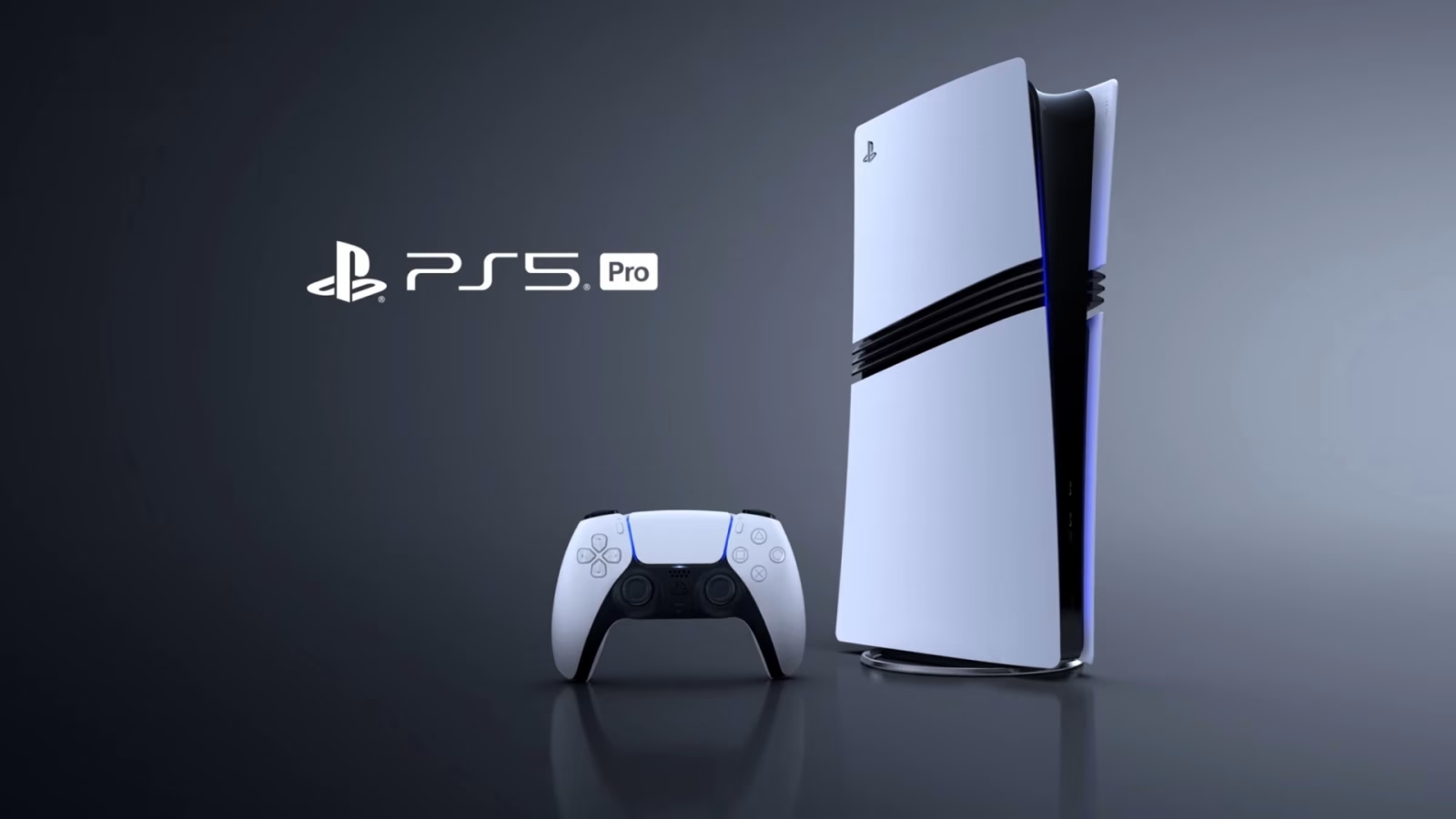
From January 2028, resellers will still be able to offer download codes and prepaid cards, but these products will not support any traditional trade-in system. Discs already on the market, as well as games released physically before that date, will remain usable and may continue to circulate on the secondary market. Their availability could nevertheless decline over time, potentially increasing their value among collectors and retro gaming enthusiasts. Another unknown concerns the next generation of PlayStation, as Sony has not yet indicated whether its future console will include a disc drive.


Comments
One quick step before publishing
Your comment is ready! Sign in with Google to publish it securely. What you wrote will stay right here.
Your comment will be sent for moderation after you sign in.